Critical minerals and the evolving supply landscape
Policy, processing capacity and qualification requirements are reshaping how critical-mineral production finds its way to market.
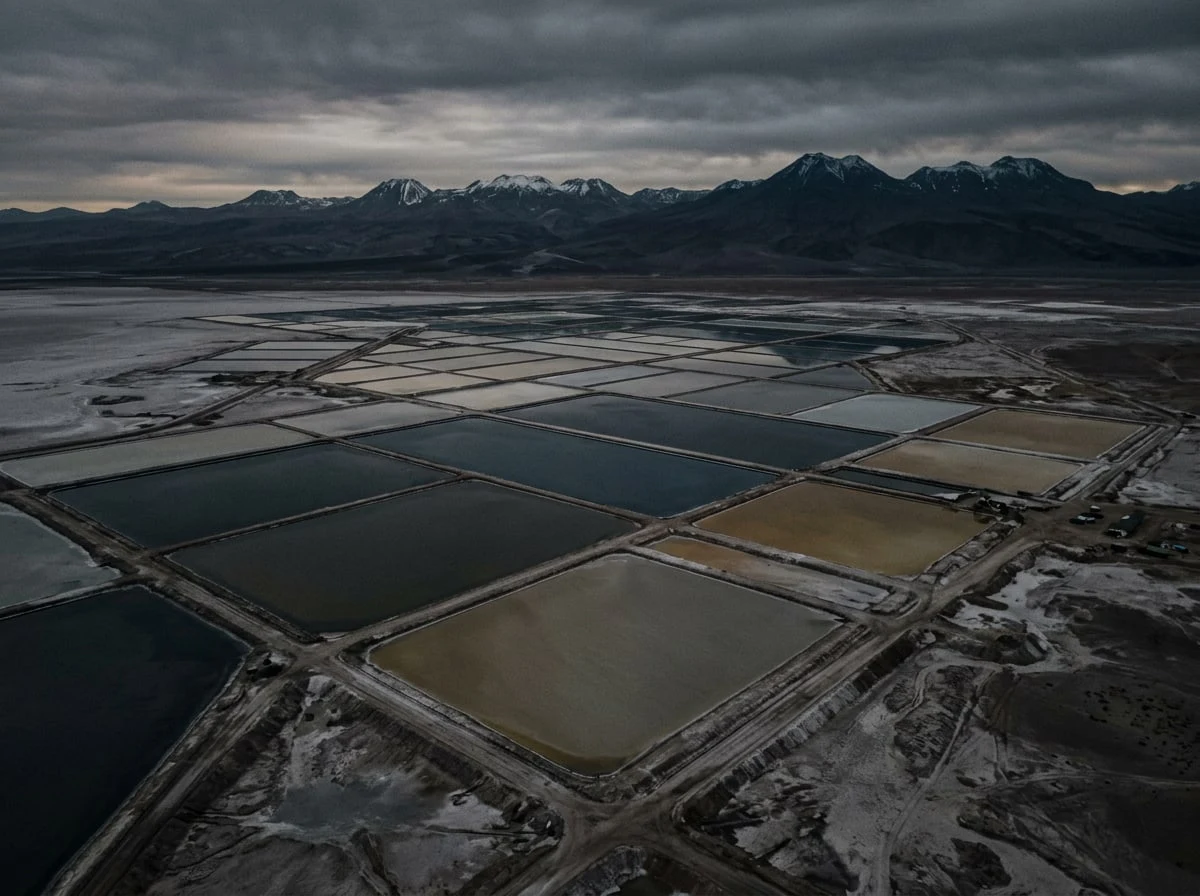
For much of the last decade, the conversation around critical minerals was framed almost entirely as a question of geology: where the resource sits, how large it is and how quickly it can be brought into production. That framing is now incomplete.
Increasingly, the commercial value of a lithium, cobalt, graphite or rare-earth project is determined not only by what lies in the ground, but by where the material can be processed, who is able to buy it, and under which conditions.
Processing is the constraint
Mined output rarely reaches an end-user in the form in which it leaves site. Concentrates must be refined, converted or upgraded, and the capacity to do so remains concentrated in a limited number of jurisdictions. For an emerging producer, the choice of processing route can define the entire commercial strategy — the counterparties available, the pricing basis, the logistics chain and the regulatory scrutiny that follows.
Qualification takes time
Industrial buyers of battery and specialty materials operate rigorous qualification processes. Samples, specifications, audits and trial shipments can extend over many months. Producers who begin these conversations only once production is imminent frequently find that their first sales are made on less favourable terms than the material merits.
Policy is now a commercial variable
Trade policy, origin requirements and strategic stockpiling initiatives are altering the map of acceptable supply. In several markets, provenance and traceability have moved from being a matter of reputation to a condition of sale. Understanding which buyers can accept which material — and why — has become a core commercial skill.
What this means for producers
The producers best positioned in this environment tend to share three characteristics:
- They map demand early, before offtake discussions become urgent.
- They understand the full route to market, including processing, logistics and documentation.
- They develop relationships with more than one category of counterparty — trading houses, processors and industrial consumers — rather than relying on a single channel.
Critical minerals will remain a market shaped by supply, demand and access. The third of these is often the least understood, and the most valuable to get right.
Northbridge Insights are provided for general information only and do not constitute investment, trading or legal advice.