Trade routes and the geography of physical supply
Freight, port capacity and shifting trade flows quietly determine which opportunities are commercially viable — and which are not.
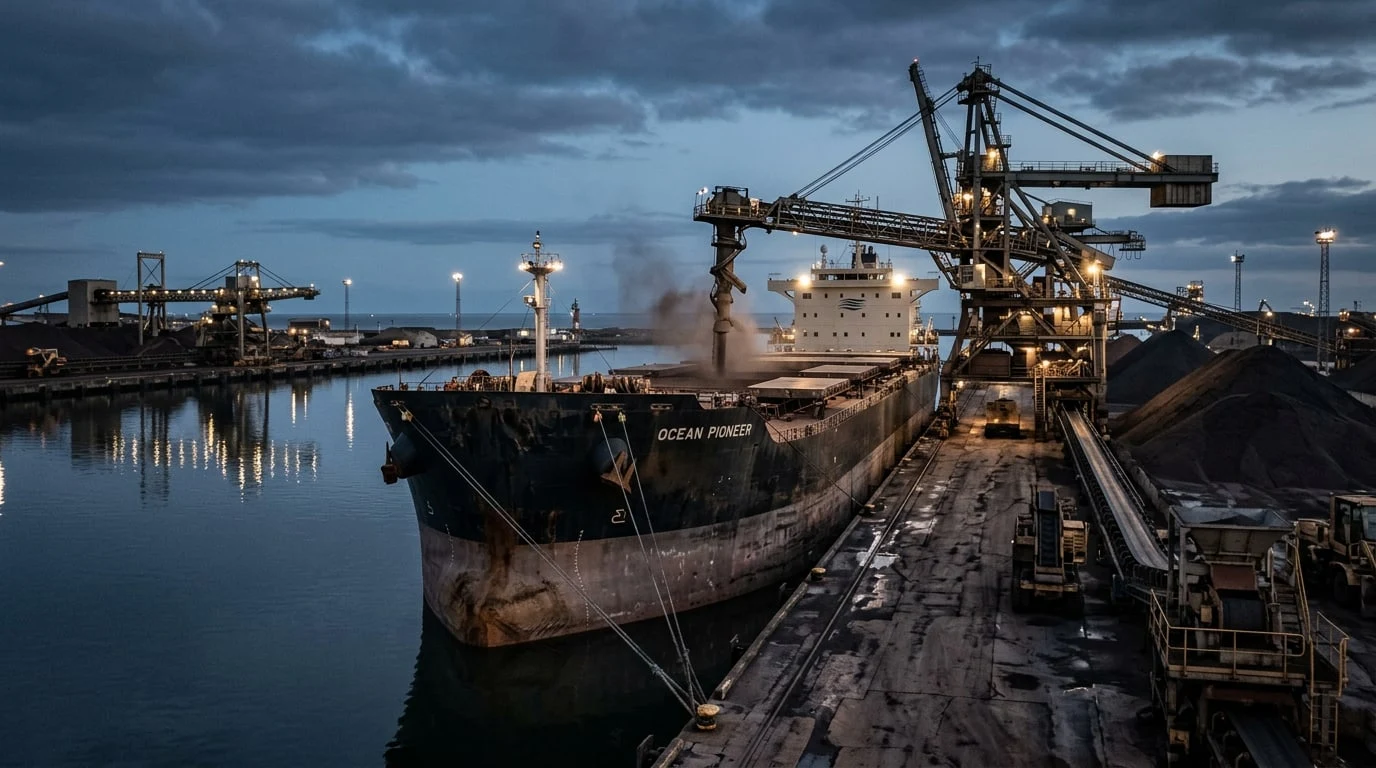
In physical commodities, a price is only meaningful once it has been delivered. Between the mine gate and the buyer's facility sit freight markets, port infrastructure, inland logistics, insurance and documentation — each capable of turning an attractive opportunity into an uneconomic one.
Logistics as a commercial filter
Many apparent opportunities fail not because supply or demand is absent, but because the route between them does not work. Draft restrictions, loading rates, rail capacity, storage availability and seasonal disruption all shape the realistic universe of counterparties for any given parcel.
Shifting flows
Geopolitical developments, sanctions regimes and changes in trade policy have redirected significant volumes of metals and bulk commodities in recent years. When established flows are disrupted, new routes emerge — and with them, new opportunities for producers and suppliers who can move quickly and credibly.
Practical implications
For a producer evaluating new markets, logistics should be understood before counterparties are approached, not after. A clear view of:
- available ports and loading capability,
- realistic freight economics to target regions,
- typical delivery terms in each market, and
- documentation and compliance requirements
allows a commercial proposition to be presented with confidence. Serious counterparties respond to precision.
Physical markets reward those who understand the details. Trade routes are among the most important of them.
Northbridge Insights are provided for general information only and do not constitute investment, trading or legal advice.